Boat Tie-Up Tips
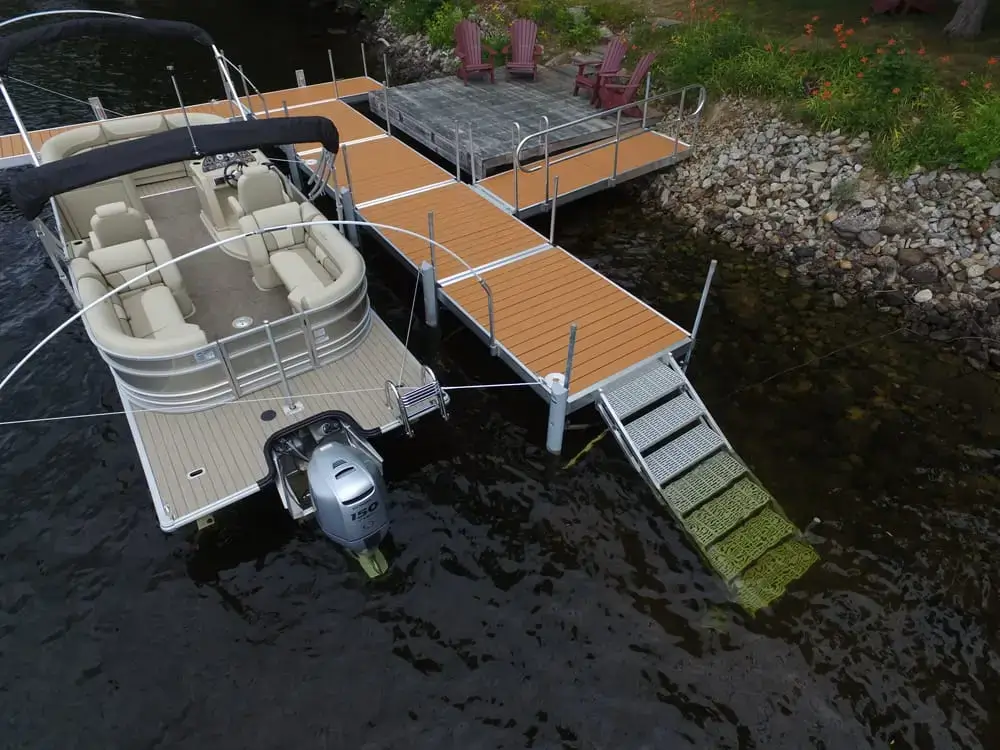
Properly securing your boat is essential for safety, convenience, and peace of mind—especially during rough weather. The following guide outlines proven tie-up methods, equipment recommendations, and practical tips to help you keep your boat secure and away from the dock.
Dock Line Configurations
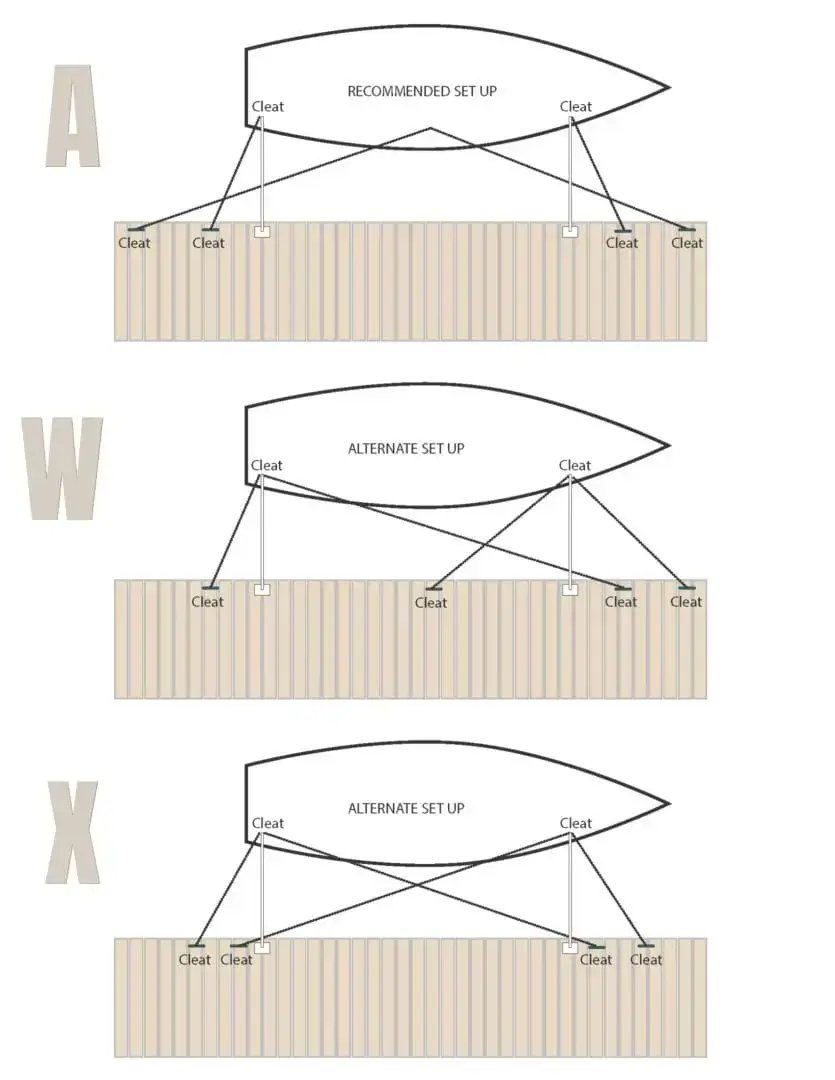
Dock lines should prevent the boat from moving back and forth. When using mooring whips, this also keeps the whips positioned correctly so they bend as designed without risk of breaking. Three common line configurations are:
- “A” Configuration – Simple angled lines from bow and stern to dock.
- “W” Configuration – Additional spring lines prevent forward and backward motion.
- “X” Configuration – Crossed lines provide maximum stability and help hold the boat away from the dock.
Invest in a Durable Boat Dock
Explore Docks
Anchors and Buoys
Anchors and buoyancy aids can further secure your boat, particularly during storms:
- Helix Anchors – Screw-in disc anchors (4” or 6”) provide strong hold. Install with a bar through the eye. If you hit rocks or roots, continue turning until secure.
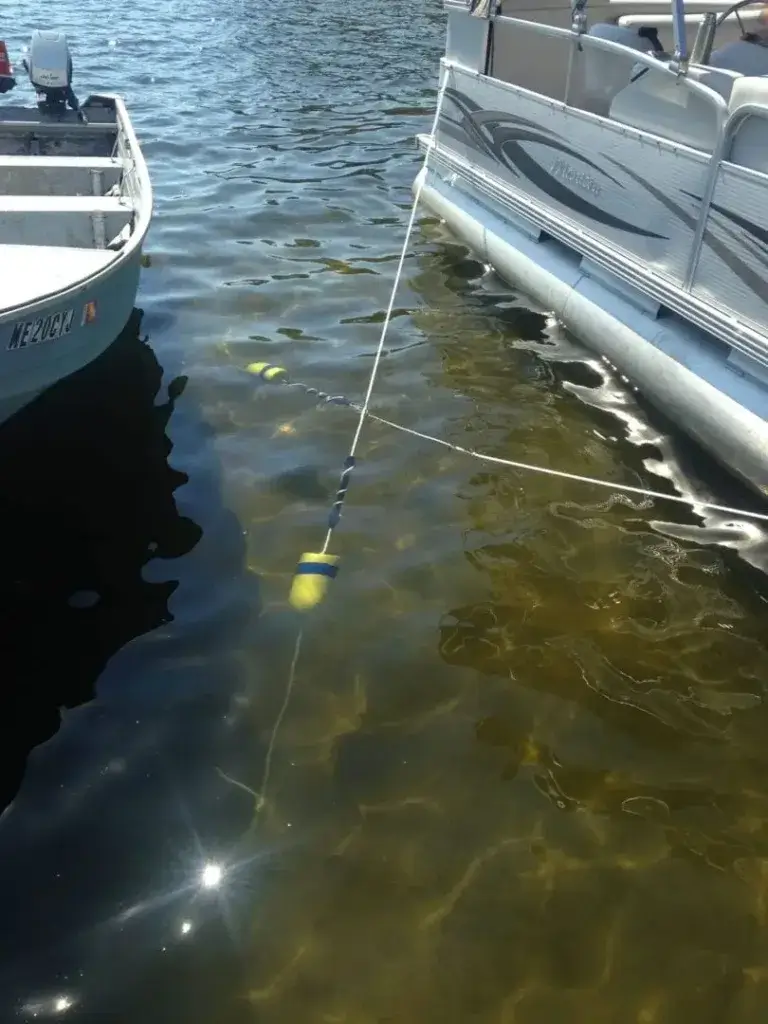
- Foam Buoys or Submerged Bumpers – Add buoyancy that naturally pulls the boat away from the dock. Place with the air valve down to avoid leaks. Larger bumpers provide more pull.
- Placement Tip – Position anchors so buoys float into safe, traffic-free areas.
Practical Setup Tips
- Use pre-tied loops on your lines for fast cleat connections.
- Keep dock lines at proper length for boarding access, while anchor lines remain tight enough to prevent hull contact with the dock.
- A boat hook makes retrieving floating lines or buoys much easier.
- In shared slips, buoyed lines create space and make docking smoother.
Storm Preparation
This tie-up method has proven reliable during tropical storms and high winds:
- Cross anchor lines in an “X” for maximum stability.
- Add mooring snubbers to dock lines for elasticity under tension, reducing strain on cleats.
- Ensure bumpers or buoys are partially submerged before leaving the boat overnight.
Seasonal Care
- Anchors can be left in over winter but removing them with your dock keeps the area clear and uncluttered before ice forms.
- Strong helix anchors can be difficult to unscrew—which means they’re doing their job well.
Key Takeaways
- Choose a dock line configuration (“A,” “W,” or “X”) that suits your cleat setup.
- Use helix anchors and buoyancy aids for added security.
- Keep lines pre-tied, properly tensioned, and easy to reach.
- Add mooring snubbers to reduce wear during heavy conditions.
- Regularly check your setup, especially before storms.
By combining secure dock lines, proper anchoring, and buoyancy aids, you can reliably keep your boat safe, accessible, and well-protected from both everyday conditions and severe weather.